
A Guide to Achieving Professional Results With Your Project
Installing drywall may seem straightforward, but even small errors can lead to big problems. It’s crucial to understand the common pitfalls that many people encounter. This guide will help you identify those mistakes and avoid them, ensuring a smooth project. Whether you’re a DIY enthusiast or hiring a pro, knowing what to watch out for can save time and money. Let’s explore the key areas where things often go wrong.
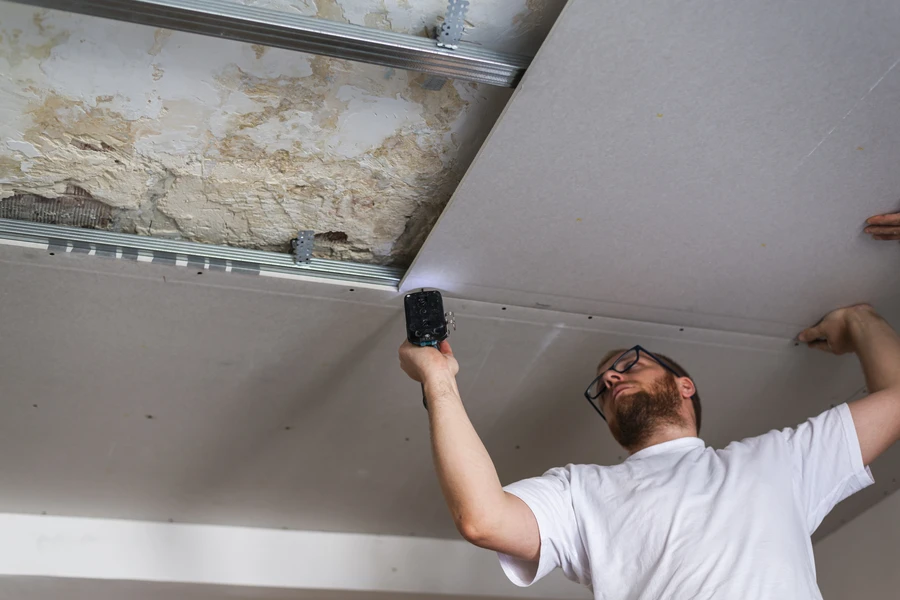
Incorrect Measuring and Cutting Techniques
Accurate measurements are vital for any construction task. When it comes to drywall installation, improper measuring and cutting are frequent errors. Cutting pieces too short or too long can cause gaps or waste material. Always double-check your measurements before cutting and use sharp tools for clean edges. If you’re unsure about your measuring skills, consider using laser levels or other advanced tools for precision.
Poor Fastening Practices
The way you attach drywall affects its longevity and appearance. One common mistake during drywall installation is overdriving screws or nails, which can damage the board or cause it to break. To prevent this, ensure fasteners are flush with the surface without breaking the paper. Use a screw gun designed specifically for drywall to maintain consistent pressure and depth.
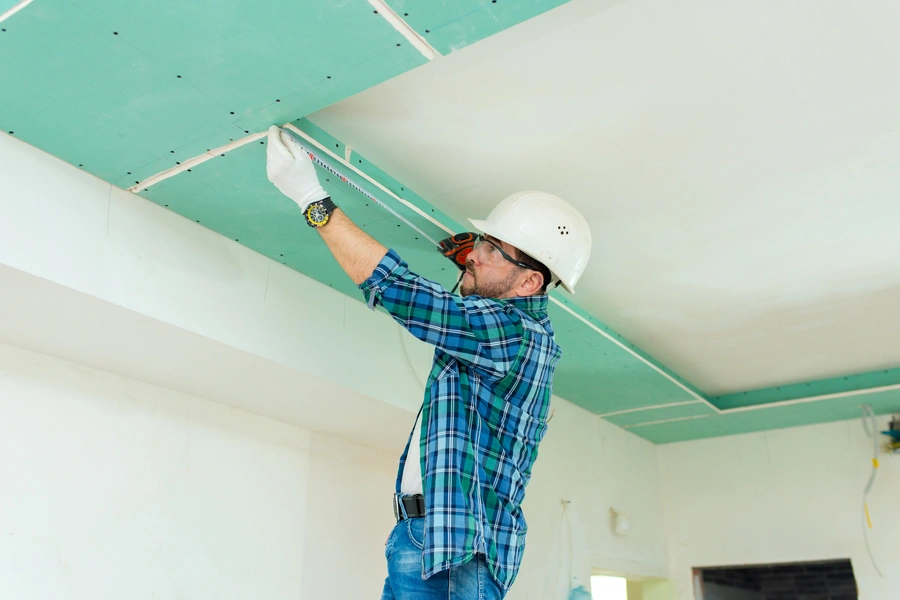
Ineffective Joint Taping Methods
Taping joints incorrectly can lead to visible seams and cracks over time. Many beginners apply too much compound or don’t embed tape correctly. For effective results, apply a thin layer of joint compound first, then press the tape into it firmly. After that, cover the tape with more compound, ensuring it’s smooth and blends with the surrounding area.
Lack of Proper Sanding Techniques
Sanding might seem like an easy step, but it requires care and attention. Over-sanding can create dips, while under-sanding leaves bumps and ridges. Use fine-grit sandpaper and employ light pressure, focusing on problem areas. Wearing a mask is essential to avoid inhaling dust particles during this process.
Neglecting Surface Preparation Before Painting
Surface preparation is crucial before applying paint. Skipping this step can result in poor paint adhesion and visible imperfections. Clean the walls thoroughly to remove dust and debris. Apply a primer suited for drywall to ensure better paint coverage and durability. Taking these steps will contribute to a professional finish.
Ignoring Temperature and Humidity Levels
The environment where you install drywall plays a significant role in its stability and performance. High humidity or extreme temperatures can cause the boards to expand or contract, leading to cracks. Ensure the room is within the recommended temperature range (generally between 55°F and 70°F) and not overly humid before starting your project.
- Measure twice, cut once for accurate sizing
- Use appropriate fasteners and avoid overdriving
- Embed tape properly in joint compound
- Sand lightly with fine-grit paper for smoothness
- Prime surfaces before painting
- Maintain optimal environmental conditions
Working With Professionals for Best Results
Avoiding these mistakes ensures a high-quality outcome, but working with experienced professionals can make a difference. Experts bring knowledge of best practices, saving you from potential headaches down the road. If you’re based in Temple, TX, our team at Don's Painting and Remodeler offers reliable services tailored to your needs. Contact us at (254) 624-0156 for expert guidance on your next project.